
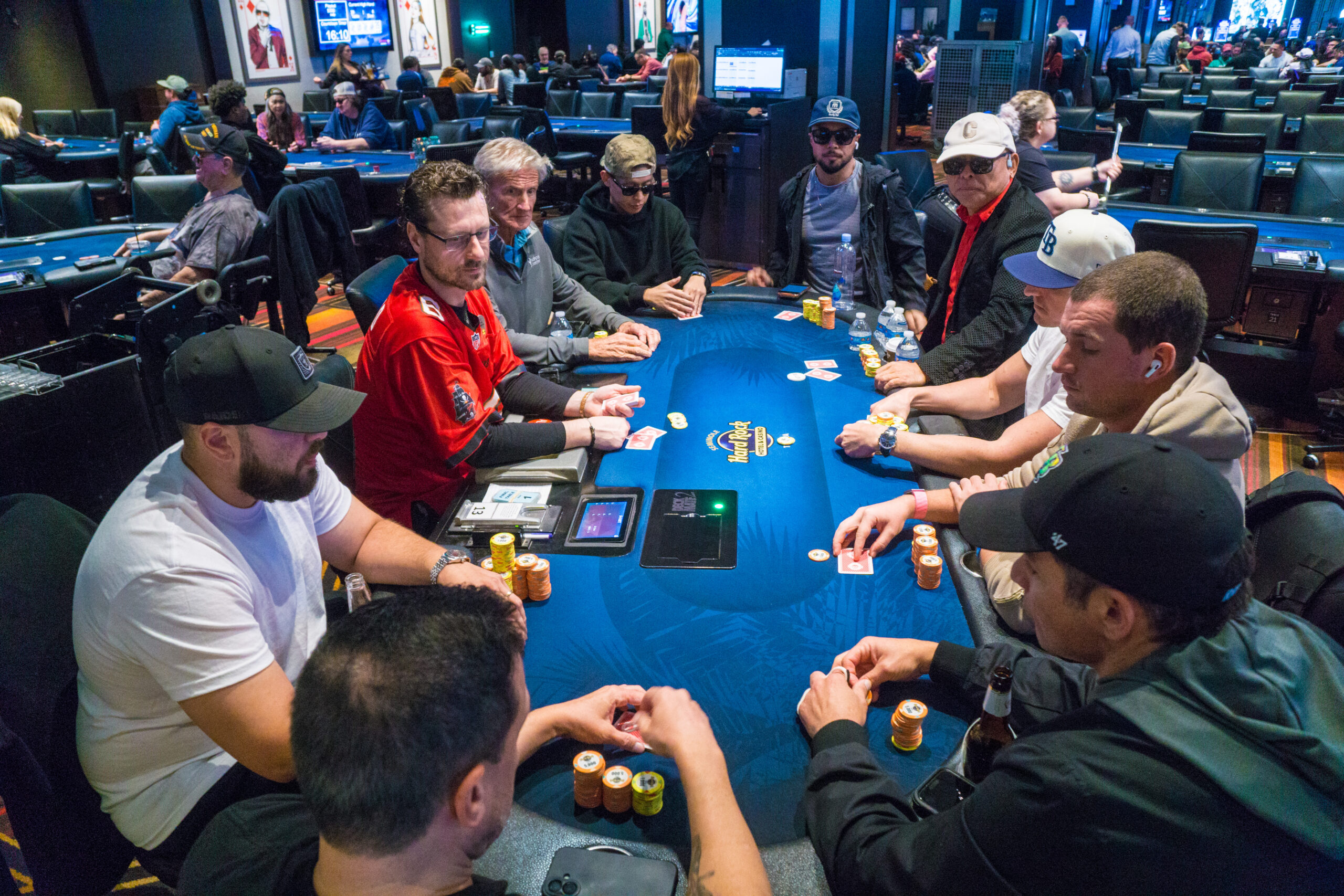
In the ecosystem of tournament poker, few moments carry as much psychological weight as the tournament bubble. The room shifts noticeably. Conversations at the tables die down, players check their chip counts obsessively, and short stacks begin nursing their remaining chips with desperate focus. This is the exact moment when the primary objective of the tournament changes for a large portion of the field. Survival trumps victory. Players who have battled for hours suddenly want nothing more than to lock up a min-cash, creating a palpable fear of elimination.
For aggressive, sharp tournament players, the bubble is not a time for caution; it is the most profitable hunting ground of the entire event. When the vast majority of your opponents tighten up their ranges to an absurd degree, you gain a massive license to print chips. Understanding how to weaponize this fear, leverage stack dynamics, and exploit the mathematical realities of Independent Chip Modeling pressure separates the tournament regulars from the lifetime recreational players.
The Psychology of Bubble Fear
To exploit the bubble effectively, you must first understand why players behave so irrationally when the money bubble approaches. In live poker, a min-cash often represents recouping the entry fee and securing hours of validation. In online tournaments, making the money means you have achieved a tangible milestone after grinding through an evening.
This emotional attachment to making the money causes recreational players and risk-averse regulars to commit fundamental strategic errors. They fold hands that are mathematically correct to play, pass up profitable accumulation spots, and bleed chips away until they are forced to shove from a position of total weakness. Fear of finishing out of the money overrides rational equity calculation.
When your opponents are terrified of busting, every chip you accumulate exerts maximum pressure on them. They are no longer playing to win the tournament; they are playing not to lose. Recognizing this shift in opponent mindset opens up unprecedented opportunities for chip accumulation.
The Mathematics of Big Stack Dominance
Bubble play is governed entirely by stack sizes and table dynamics. If you are sitting on a monster stack when the bubble approaches, you wield absolute power over the medium and short stacks at your table.
Leveraging Stack Sizes
As the bubble nears, chip leaders should be opening an extraordinarily wide range of hands, particularly from late position. If you raise from the cutoff or the button, the players in the blinds are acutely aware that if they call or three-bet and you shove, their tournament life is on the line. Facing this threat, they will fold hands like pocket pairs and broadway cards that they would easily defend under normal circumstances.
-
Short Stacks: Players with fewer than ten big blinds are in pure survival mode, often folding hands while waiting for absolute premium holdings to shove.
-
Medium Stacks: These players are your primary target. They have enough chips to care about surviving to the money, making them deeply reluctant to tangle with a chip leader unless they hold the absolute nuts.
-
Large Stacks: Other big stacks at your table represent the only real threat to your dominance, but even they will often prefer to avoid high-variance clashes, allowing you to bully the rest of the table unchecked.
Applying Maximum Pressure Postflop
Aggression on the bubble extends far beyond preflop play. When you open wide from late position and a medium stack calls from the big blind, you have engineered a situation where you can fire continuation bets on a wide variety of flops with absolute impunity.
Because the big blind defender’s calling range is heavily weighted toward survival-mode hands, they will miss most disconnected, high-card flops. A simple continuation bet representing strength will force an immediate fold from an opponent who cannot afford to risk their tournament life on a missed draw or second pair. You are selling fear, and your opponents are paying a premium to fold.
Adjusting Your Strategy Based on Tournament Phase and Structure
Not all bubbles are created equal. The correct exploitative adjustment depends heavily on whether you are playing a standard multi-table tournament, a satellite event, or a turbo structure.
Satellite Bubbles Versus Standard MTT Bubbles
In a standard multi-table tournament, the prize pool is top-heavy, meaning your ultimate goal is to accumulate chips to make a deep run at the final table. While bubbling hurts, the ultimate prize is still first place.
In satellite tournaments—where a fixed number of players win identical seats or entries—the bubble dynamic is exaggerated to an extreme degree. If ten seats are available and eleven players remain, the chip leader with half the chips in play can fold every single hand until the tournament ends and still secure a seat. In satellites, surviving with a short stack is a viable strategy, making the pressure on medium stacks even more intense and your ability to steal blinds even more lucrative.
Navigating the Hand-for-Hand Phase
When the tournament reaches the exact hand-for-hand phase across all tables, the pacing slows to a crawl. Floor staff pause the action, and every single table must finish its current hand before a new one can begin.
During this phase, psychological tension reaches its absolute peak. If you are seated at a table with multiple short stacks, you can use the slow pace to your advantage. Opponents are hyper-focused on stalling, sometimes running out the clock on every decision hoping another short stack busts at a different table. Capitalize on this hesitation by maintaining a brisk, aggressive tempo and punishing anyone who shows hesitation.
Defending Against Bubble Aggression
While your primary goal on the bubble should be exploiting the tight play of others, you must also be mindful of how other aggressive chip leaders might target you. If you are holding a medium stack and another big stack is relentlessly raising your blinds, you cannot simply fold your way into oblivion.
Finding the Right Spot to Fight Back
When aggressive players realize you are folding too much to their bubble pressure, they will widen their own stealing ranges to one hundred percent. To counter this, you must occasionally identify spots to push back with re-steals or three-bet shoves.
Your shoving range against a hyper-aggressive chip leader on the bubble can include blockers and high-equity hands that perform well when called, such as suited connectors and medium aces. Remind your opponents that applying pressure carries risk, preventing them from running entirely roughshod over your stack.
Mastering poker tournament bubbles transforms an anxious, stressful phase of the game into your most profitable window of opportunity. By recognizing opponent fear, widening your opening ranges, and leveraging stack size superiority, you can siphon chips from players who are too afraid to play poker. Step into the bubble with confidence, embrace the aggression, and watch your stack soar while the rest of the field holds their breath.

Comments are closed.