
When we talk about slots, we’re referring to much more than flashing lights and spinning reels. Slots are a deeply engineered intersection of mathematics, psychology, design, and regulation. This article looks beyond the surface to uncover how slot machines function, why they’re compelling, the risks they present, and what players and regulators should know.
(You’ll notice the keyword slots is integrated naturally above.)
What Are Slots? A Technical and Structural Overview
Basic Mechanics: Reels, Symbols, and Paylines
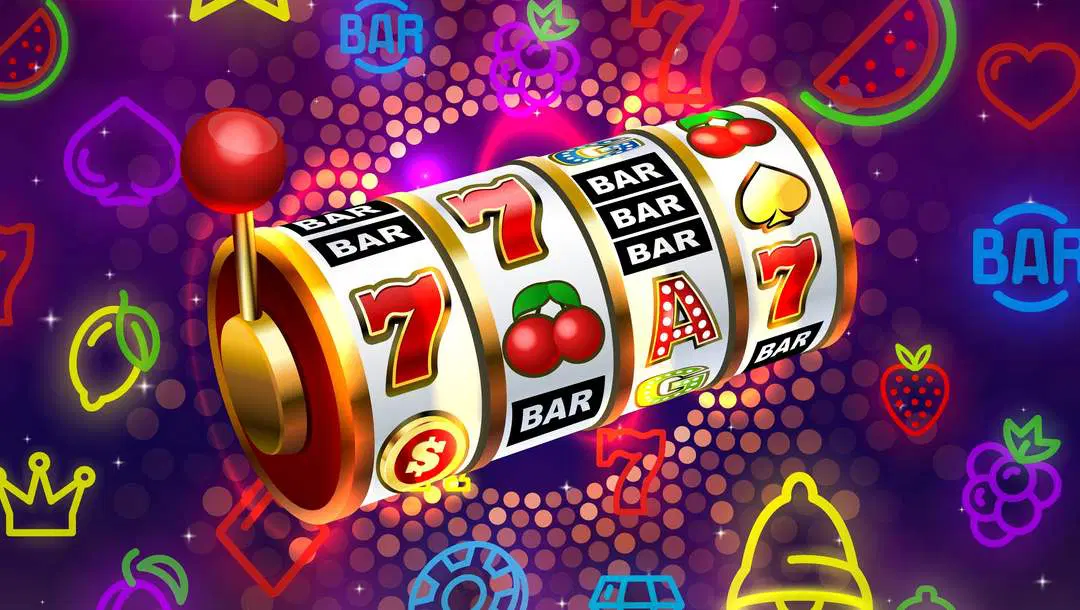
At their core, slot machines consist of digital reels (or simulated physical ones) that display symbols. A win is determined based on which symbols align on paylines—predetermined lines across those reels. Modern slots may include dozens, hundreds, or even thousands of paylines, often with complex structures (e.g. cascading reels or cluster pays).
Behind the scenes, though, what matters is not the visible reels but the Random Number Generator (RNG). When you press “spin,” the RNG instantly determines where each reel will land—long before any motion is shown on screen.
RTP, Volatility, and House Edge
- RTP (Return to Player) represents the long-term average percentage of all stakes returned to players. For example, an RTP of 95% means that, in theory over many spins, players get back 95% of the money wagered, and the casino retains 5%.
- Volatility (or variance) describes how often and how large wins may occur. A low-volatility slot pays small wins more frequently; a high-volatility slot pays larger amounts but less often.
- The house edge is the complement of RTP (i.e. 100% – RTP). Over thousands of spins, that edge ensures the casino profits.
Tricks of Design: Near Misses, Perceived Persistence, and Sensory Feedback
Slot designers incorporate features that push engagement beyond pure randomness:
- Near misses: Displays where the reels appear to almost align for a win. This psychological nudge can make a player feel like a win was “just one spin away.”
- Perceived persistence mechanics: Visual cues like growing pots, accumulating symbols, or progress bars—none of which directly change the odds but which make players feel progress is being made.
- Sensory feedback: Sounds, animations, flashing lights, and haptic vibrations all reinforce excitement and reward anticipation.
These design elements encourage longer play and deeper immersion.
Why Slots Are So Compelling: The Psychology
Variable Reinforcement and Dopamine
Slots use a variable ratio reinforcement schedule—you never know when a win will come. That unpredictability taps directly into our brain’s reward system. The intermittent payoff triggers dopamine surges, making continued play feel compelling even when losses accumulate.
Dark Flow and Escape
Research has identified a phenomenon called dark flow, in which a player becomes utterly absorbed, losing awareness of time, environment, or self. In that state, slot play becomes a kind of escape—especially for individuals dealing with depression, anxiety, or intrusive thoughts. Studies show dark flow correlates strongly with both positive affect during play and markers of problem gambling.
Illusion of Control
Players often believe that they influence outcomes—maybe by stopping the reel at the “right moment” or choosing precisely when to spin. In reality, every spin’s result is entirely determined by the RNG, independent of timing or button pressing. The illusion of control gives a false sense of agency, increasing engagement.
Chasing Losses
Once a player loses, the urge to “win it back” is powerful. Because slots operate rapidly, a player can chase losses spin after spin, often deepening the losses before recognizing the danger.
Risks, Harms, and Behavioral Patterns
Problem Gambling Pathways
Slots are among the fastest forms of gambling, minimizing friction between bets. Because of their immersive psychological hooks, players can escalate into problem gambling faster than in many other forms of betting.
Clinical and Behavioral Evidence
Empirical studies show:
- Strong correlation between dark flow levels and problem gambling scores
- Reward reactivity (how strongly a player reacts to wins) does not necessarily predict harm—whereas dark flow is more predictive
- Individuals with mind-wandering or depressive symptoms outside gambling are more likely to reach dangerous immersion states while playing slots
Long-Term Losses Are Inevitable
Even when players occasionally win, the mathematics ensure that over time, the house edge prevails. One theoretical study on a “futurity bandit” model showed that continuous betting eventually leads to net losses, no matter how sporadic the wins appear.
Responsible Play: Best Practices for Players
Understanding the mechanics and psychological hooks is the first line of defense against harm. Here are strategies:
- Set firm bankroll limits and treat them as nonnegotiable. Accept that losses may be the norm.
- Limit session duration—use timers or alarms to force breaks.
- Avoid “hot streak” thinking or chasing losses—every spin is independent.
- Stick to lower volatility games if broader experience matters more than occasional big hits.
- Use self-exclusion tools offered by casinos or regulatory bodies.
Regulation, Oversight, and Controls
To mitigate harm, many jurisdictions have enacted or proposed regulations such as:
- Stake caps on how much can be wagered per spin
- Mandatory RTP minimums
- Cooling-off periods or mandatory breaks
- Transparency requirements around RTP and odds
- Self-exclusion and loss-limits systems
These efforts aim to balance player freedom with safeguards against compulsive behavior.
FAQs
Q: Are slot outcomes truly random?
Yes—RNGs (Random Number Generators) ensure each spin is independent. Prior spins do not affect future ones. The visible reel movement is merely cosmetic.
Q: Can I improve my chances by changing my bet size or timing?
No—the odds remain the same per spin. Bigger bets may lead to higher absolute wins or losses, but do not alter probability.
Q: What is “loose” vs “tight” slot machines?
“Loose” refers to machines with higher RTP or more frequent payouts. “Tight” ones pay less frequently or have lower RTP. That said, variation is statistical and local.
Q: How do I recognize when slot play becomes a problem?
Warning signs include: spending more than intended, chasing losses, neglecting relationships or work, emotional distress tied to play, or dishonesty about gambling habits.
Q: What to do if someone I know is losing control?
Encourage them to use self-exclusion programs, seek support from organizations specializing in gambling addiction, or consult mental health professionals.

Comments are closed.